
Daily Habits That Strengthen Your Immune System

A Practical, Evidence-Based Guide to Supporting Immune Health Worldwide
Your immune system works around the clock to protect you from infections, environmental stressors, and chronic disease. While no single food, supplement, or routine can “boost” immunity overnight, consistent daily habits can help your immune system function at its best.
Across the world — from busy cities to rural communities — people are seeking sustainable, science-backed ways to support their health naturally. The good news? Many immune-supporting habits are simple, accessible, and cost-effective.
This guide explores daily habits that strengthen your immune system, improve resilience, and promote long-term wellness.
Why Immune Health Matters

The immune system is a complex network of cells, tissues, and organs that work together to defend the body. When functioning properly, it identifies harmful pathogens and responds effectively without overreacting.
However, chronic stress, poor nutrition, sleep deprivation, environmental pollution, and sedentary lifestyles can weaken immune response over time.
Strong immunity is not about eliminating illness entirely — it’s about improving the body’s ability to respond and recover.
1. Prioritize Quality Sleep
Sleep is one of the most powerful regulators of immune function. During deep sleep, the body produces cytokines, proteins that help regulate immune response and inflammation.

Recommended sleep duration:
Adults: 7–9 hours per night
Children and teens: 8–10+ hours
Chronic sleep deprivation has been linked to increased susceptibility to infections and slower recovery times.
Practical tips:
Maintain a consistent sleep schedule
Reduce screen exposure before bedtime
Keep your sleeping environment cool and dark
Sleep is not a luxury — it is foundational preventive care.
2. Nourish Your Body with Whole Foods
Nutrition directly impacts immune resilience. A diverse, balanced diet supports the production and activity of immune cells.
Immune-supportive nutrients include:
Vitamin C (citrus fruits, berries, bell peppers)
Vitamin D (sunlight exposure, fortified foods, fatty fish)
Zinc (nuts, seeds, legumes)
Protein (essential for antibody production)
Fiber (supports gut health)
Globally, traditional diets rich in vegetables, whole grains, legumes, and lean proteins are associated with stronger long-term health outcomes.
Rather than focusing on “superfoods,” aim for dietary consistency and variety.
3. Support Gut Health
Approximately 70% of immune cells are associated with the gut. A healthy gut microbiome plays a critical role in immune regulation.
Daily habits for gut health:
Eat fiber-rich foods
Include fermented foods when culturally appropriate (e.g., yogurt, kimchi, kefir, sauerkraut)
Stay hydrated
Limit ultra-processed foods

A balanced microbiome contributes to both immune defense and reduced inflammation.
4. Stay Physically Active
Moderate, regular physical activity enhances circulation, allowing immune cells to move efficiently throughout the body.
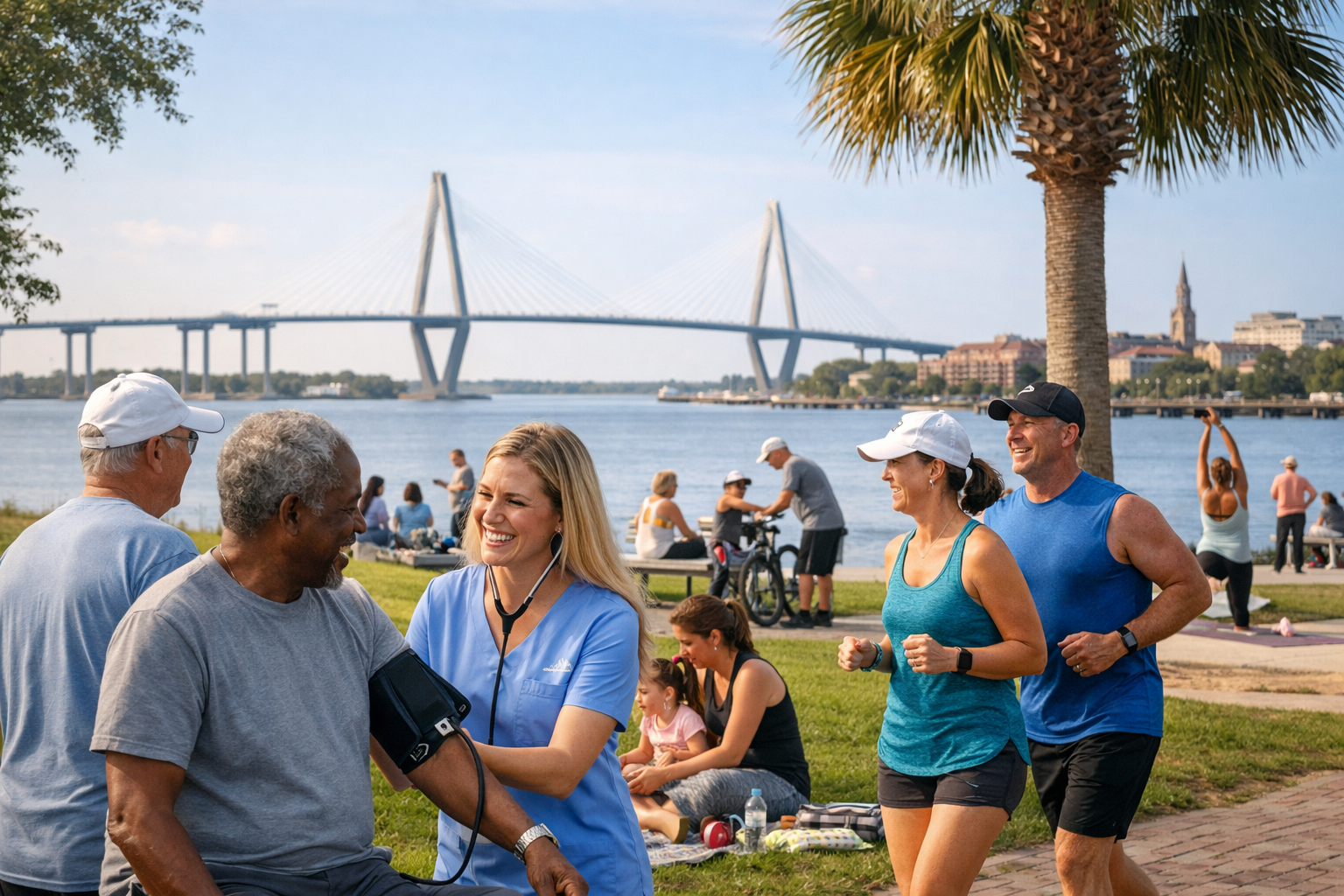
The World Health Organization recommends:
At least 150 minutes of moderate-intensity activity per week for adults
Muscle-strengthening activities twice weekly
Examples include:
Brisk walking
Cycling
Swimming
Dancing
Bodyweight exercises
Overtraining without adequate recovery, however, may temporarily suppress immune function — balance is key.
5. Manage Chronic Stress
Long-term stress elevates cortisol levels, which can suppress immune response over time.
In a fast-paced global environment, stress management is essential preventive care.
Effective strategies include:
Deep breathing exercises
Meditation or mindfulness practices
Spending time in nature
Connecting socially with supportive communities
Limiting exposure to distressing media
Even 10–15 minutes daily of intentional stress reduction can positively influence immune balance.
6. Stay Properly Hydrated
Water supports nearly every bodily function, including circulation and detoxification processes.
Dehydration can impair physical performance and overall physiological balance.

General hydration guidance:
Drink consistently throughout the day
Increase intake during illness, exercise, or hot climates
Monitor urine color as a simple hydration indicator
Clean water access remains a global health priority and is fundamental to immune support.
7. Maintain Vaccination and Preventive Care
Vaccination is one of the most effective public health tools for strengthening immune defense against specific infectious diseases.
Routine health screenings and immunizations:
Reduce disease severity
Protect vulnerable populations
Strengthen community-level immunity

Consult local healthcare authorities or licensed professionals for region-specific recommendations.
8. Avoid Harmful Substances
Tobacco use, excessive alcohol consumption, and environmental pollutants can impair immune function.
Limiting or eliminating harmful exposures supports long-term resilience and reduces chronic disease risk.
9. Maintain Healthy Social Connections
Social isolation has been associated with increased inflammation and weaker immune responses.
Across cultures, strong community ties — family, friends, faith groups, and local networks — contribute to emotional stability and overall wellness.

Human connection is a powerful, often overlooked immune-supporting factor.

A Sustainable, Global Approach to Immune Strength
Immune health is not built in a day — it is built daily.
Whether you live in North America, Asia, Europe, Africa, Australia, or South America, the fundamentals remain consistent:
Balanced nutrition
Restorative sleep
Regular movement
Stress management
Preventive healthcare access
Small, consistent habits compound over time.
Compliance & Healthcare Disclaimer
This content is intended for informational and educational purposes only and does not constitute medical advice, diagnosis, or treatment. Individual health needs vary. Always consult a licensed healthcare professional or qualified medical provider regarding personal health concerns, dietary changes, supplementation, or vaccination decisions. Public health recommendations may differ by country and region.
Final Thoughts: Strong Immunity Is Built Daily
Your immune system is not a single organ — it is an interconnected system influenced by your daily choices.

You do not need perfection. You need consistency.
By prioritizing sleep, nutrition, movement, mental well-being, and preventive care, you build a resilient foundation that supports both individual and community health — anywhere in the world.
Invest in daily habits today. Your future health depends on it.