
How Hydration Impacts Your Energy and Focus
A Science-Based Guide to Mental Clarity and Physical Performance Worldwide

Water is often overlooked in conversations about productivity, energy, and mental performance. Yet hydration plays a critical role in how we think, feel, and function every single day.
Across the globe, from office professionals and students to healthcare workers, drivers, athletes, and parents, maintaining proper hydration can significantly influence concentration, mood, stamina, and overall well-being.
This article explores how hydration impacts your energy and focus, why even mild dehydration matters, and how to build sustainable hydration habits wherever you live.
Why Hydration Matters More Than You Think
The human body is composed of approximately 50–70% water. Every cell, tissue, and organ depends on adequate fluid balance to function properly.

Water supports:
Oxygen and nutrient transport
Brain function and neurotransmitter activity
Temperature regulation
Circulation
Waste removal
Muscle contraction
Even mild dehydration, as little as 1–2% fluid loss, can affect cognitive performance and physical energy levels.
Hydration is not just about avoiding thirst. It is about maintaining optimal physiological balance.
The Link Between Hydration and Energy Levels
1. Reduced Blood Volume Affects Circulation
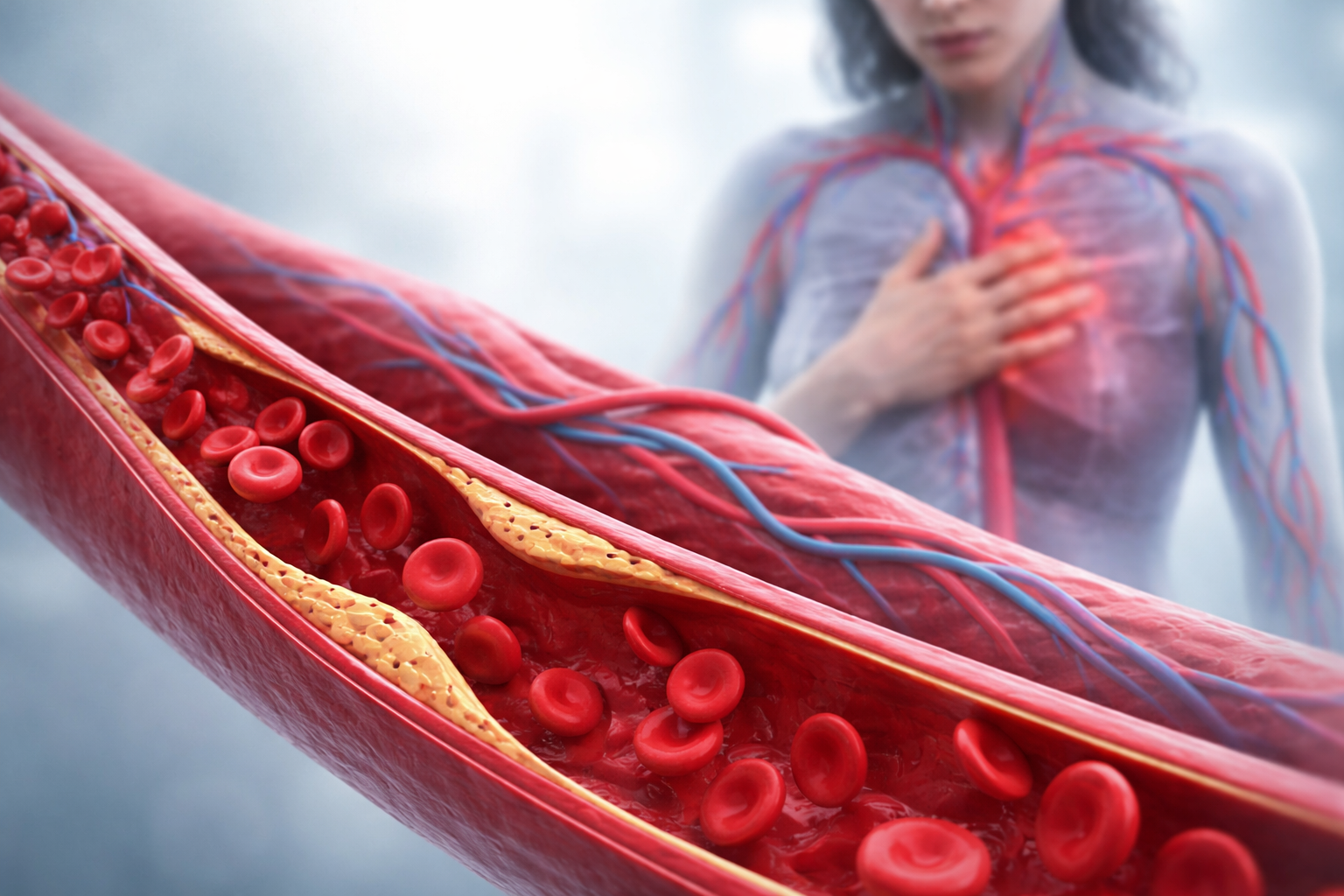
When dehydrated, blood volume decreases slightly. This forces the heart to work harder to deliver oxygen and nutrients to muscles and organs. The result?
Fatigue
Sluggishness
Decreased endurance
Proper hydration helps maintain efficient circulation, supporting sustained energy throughout the day.
2. Electrolyte Balance and Cellular Function
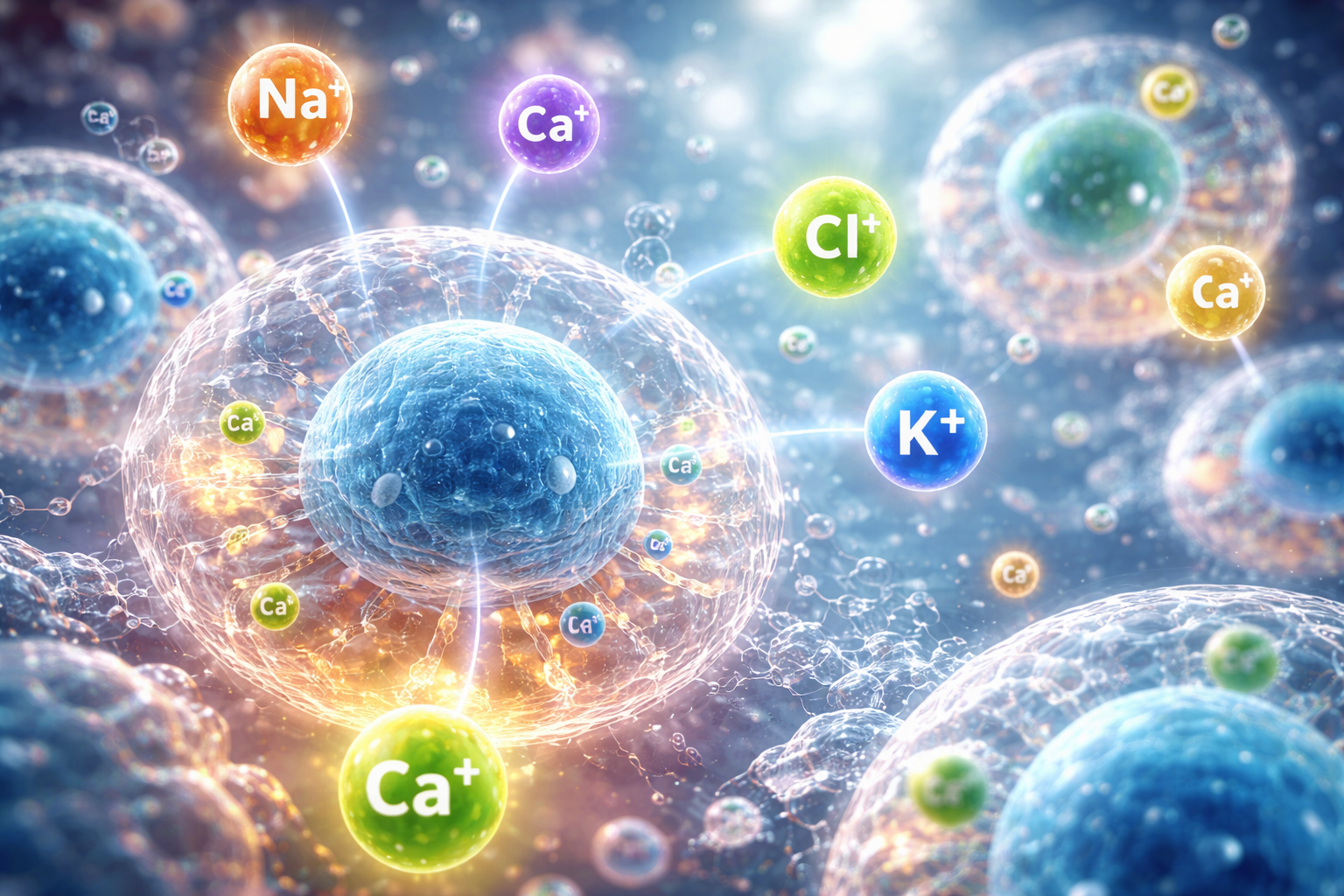
Fluids contain essential electrolytes such as sodium, potassium, and magnesium. These minerals regulate nerve signaling and muscle function.
Imbalances may contribute to:
Weakness
Brain fog
Headaches
Muscle cramps
In hot climates or during prolonged physical activity, electrolyte replacement may be necessary under professional guidance.
Hydration and Mental Focus
Your brain is highly sensitive to fluid balance.
Research suggests that dehydration may contribute to:
Reduced attention span
Slower reaction time
Impaired short-term memory
Increased perception of task difficulty
Irritability
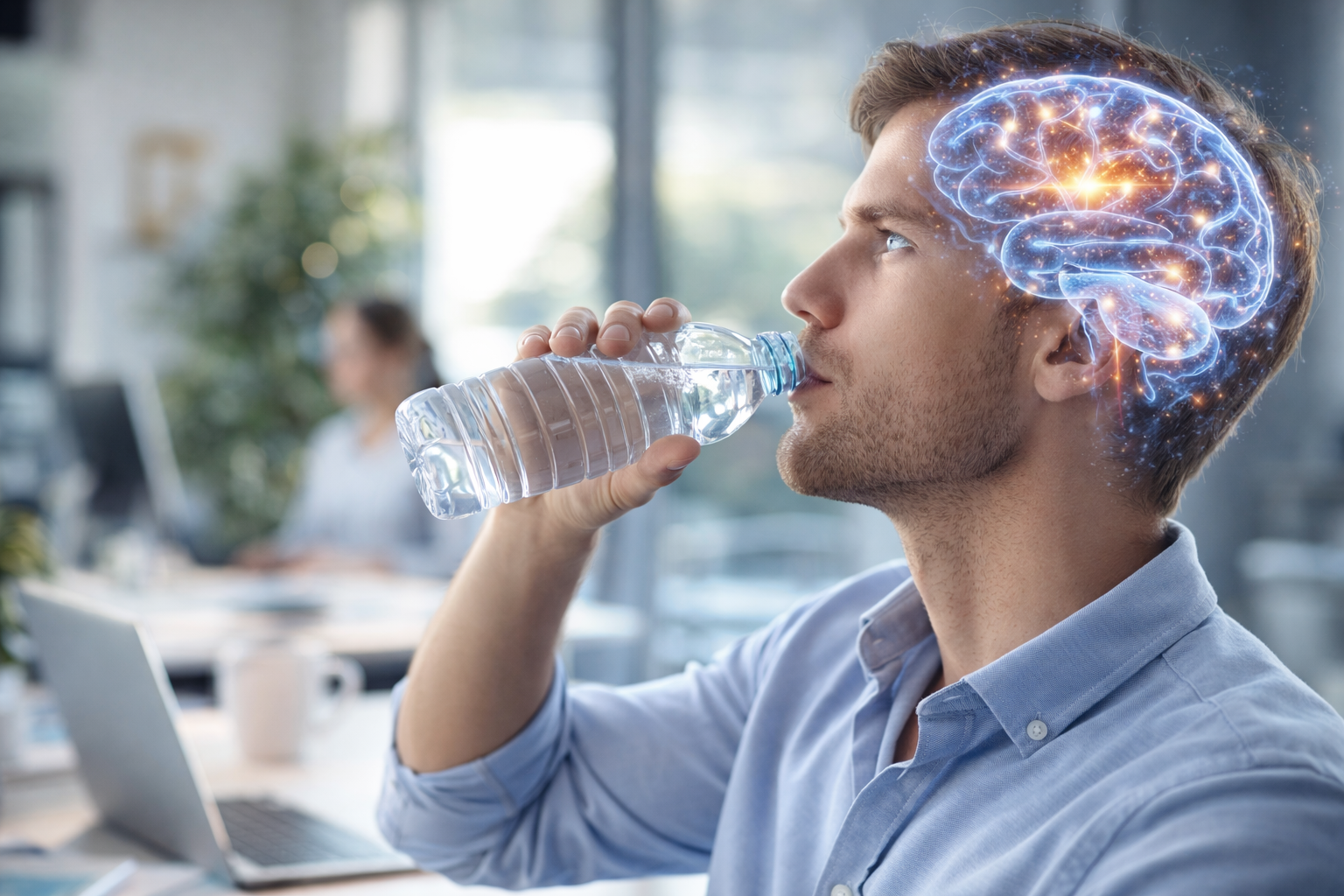
For students preparing for exams, professionals managing high workloads, or individuals operating vehicles or machinery, mental clarity is essential. Hydration directly supports cognitive performance and decision-making.
Signs You May Be Mildly Dehydrated
Many people wait until they feel thirsty, but thirst is a late signal.
Early signs include:
Dry mouth or lips
Dark yellow urine
Fatigue
Dizziness
Headache
Difficulty concentrating
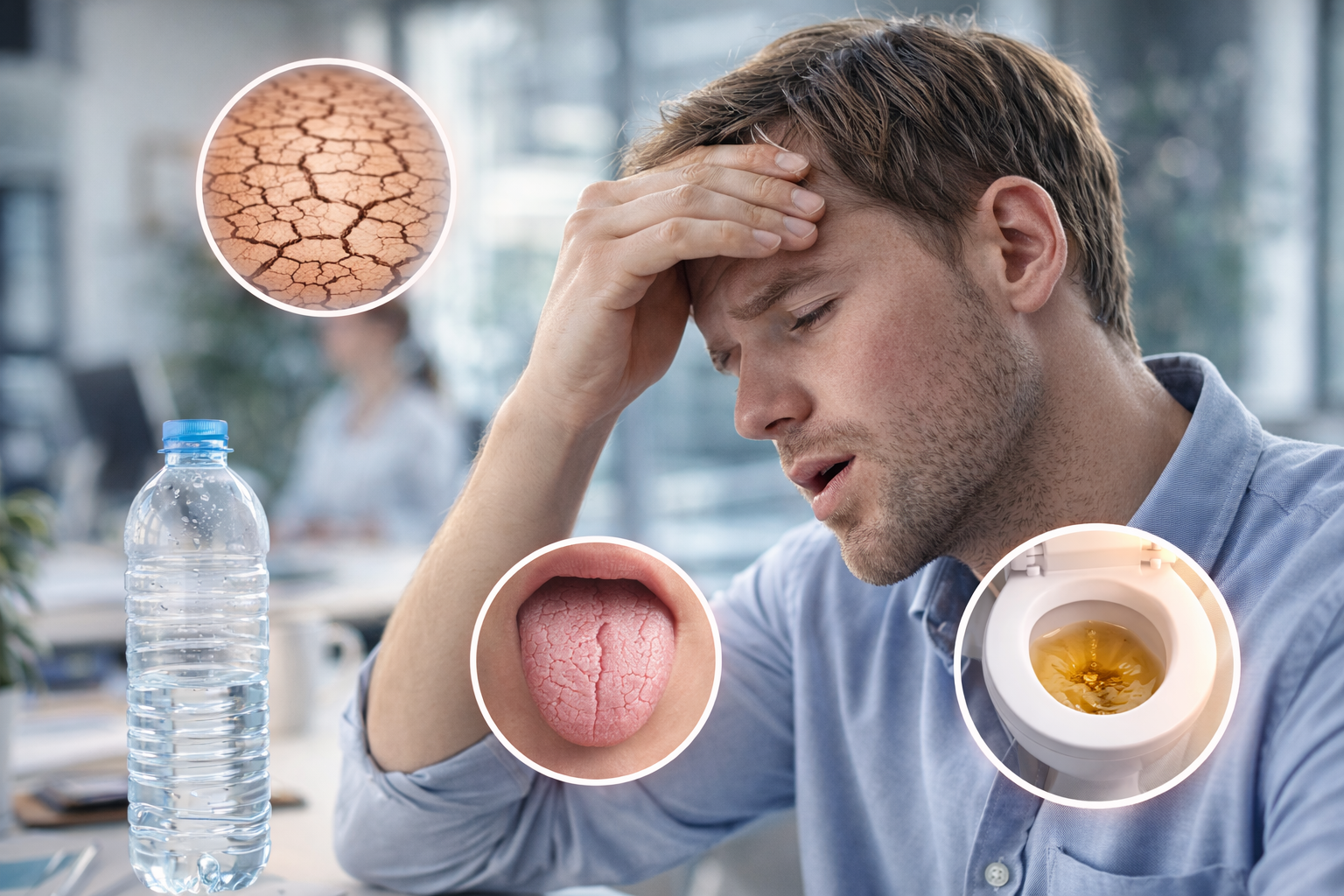
Recognizing these signals early allows for timely correction.
How Much Water Do You Really Need?

Hydration needs vary depending on:
Climate and temperature
Physical activity level
Age
Body size
Health conditions
Pregnancy or breastfeeding status
General global guidance suggests:
Adults: Approximately 2–3 liters (8–12 cups) of fluids daily
Increased intake during heat exposure or illness
Fluids can come from:
Water
Herbal teas
Milk
Broth-based soups
Water-rich fruits and vegetables
Individual requirements may differ. Consult a healthcare professional for personalized guidance.
Hydration in Different Global Environments

Hot and Humid Regions
In tropical and desert climates, sweat loss increases significantly. Proactive hydration is critical to prevent heat-related illness.
Cold Climates
People may drink less because they do not feel thirsty. However, indoor heating and dry air can still contribute to fluid loss.
High-Altitude Areas
Higher altitudes increase respiratory water loss. Additional fluid intake may be needed.
Hydration strategies must adapt to environment and lifestyle.
Practical Daily Habits to Improve Hydration
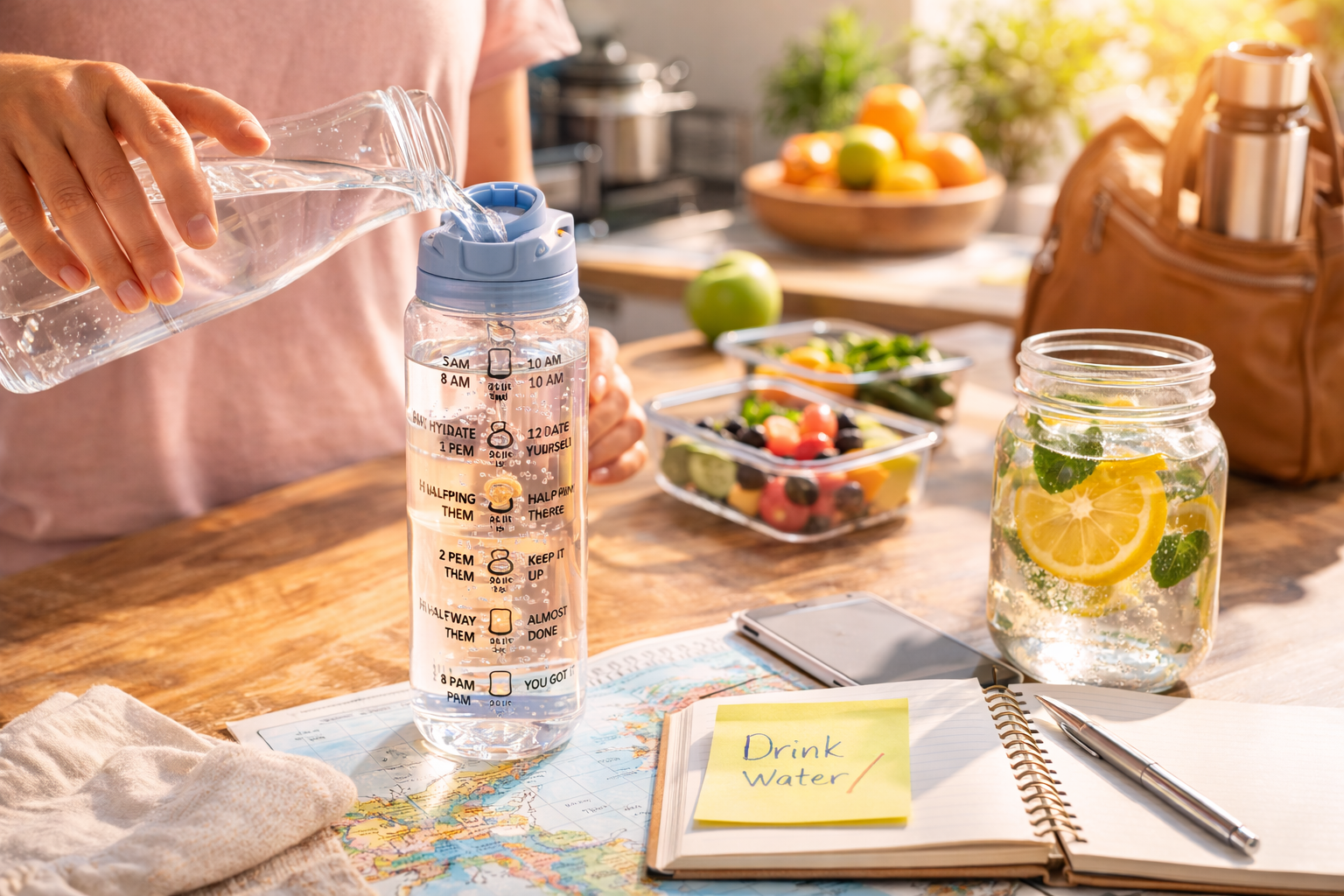
Building sustainable hydration habits does not require drastic changes.
Try these strategies:
Start the day with a glass of water
Carry a reusable water bottle
Set reminder alarms if you forget to drink
Pair water intake with routine activities (e.g., after meals)
Eat water-rich foods like cucumbers, oranges, watermelon, and leafy greens
Limit excessive caffeine and alcohol intake
Consistency is more important than perfection.
Hydration and Workplace Productivity
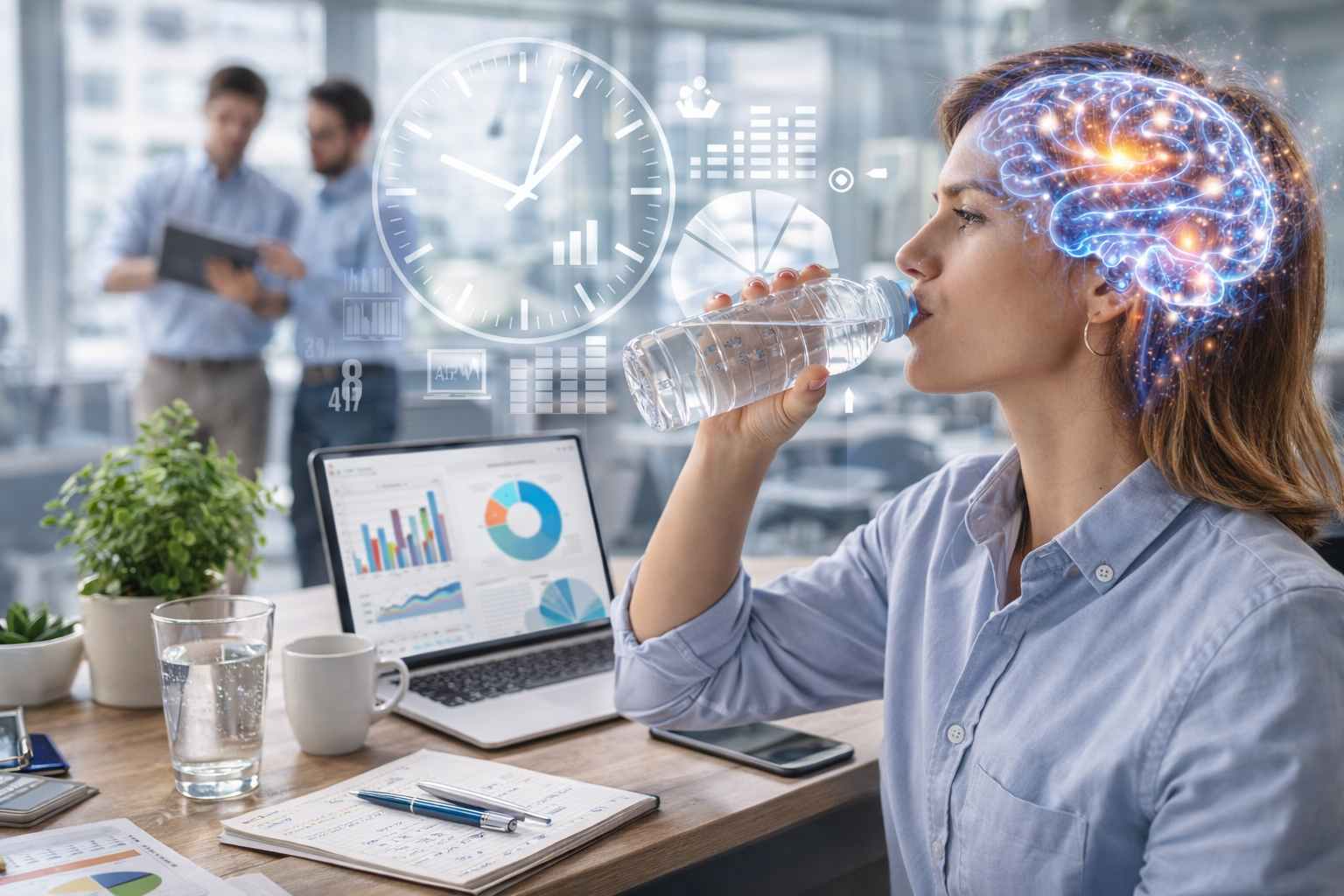
In global workplaces, whether corporate offices, healthcare facilities, transportation services, or remote environments, hydration can influence:
Alertness
Reaction time
Physical stamina
Mood regulation
Encouraging hydration-friendly environments supports employee wellness and performance.
Simple workplace initiatives include:
Accessible water stations
Scheduled break reminders
Education on fluid needs
Small organizational changes can create measurable improvements in focus and safety.
Common Hydration Myths
Myth: Coffee and tea do not count toward hydration.
Reality: While caffeine has mild diuretic effects, moderate coffee and tea intake still contribute to overall fluid intake.
Myth: Clear urine is always the goal.
Reality: Very pale yellow urine typically indicates adequate hydration. Completely clear urine may suggest overhydration.
Myth: You only need to drink when thirsty.
Reality: Thirst is a delayed indicator of dehydration.
When to Seek Medical Attention
Severe dehydration is a medical condition and may require urgent care.

Warning signs include:
Rapid heartbeat
Confusion
Extreme weakness
Minimal or no urination
Fainting
Infants, older adults, and individuals with chronic medical conditions are at higher risk and should be monitored carefully.
Compliance & Healthcare Disclaimer

This content is intended for educational purposes only and does not replace professional medical advice, diagnosis, or treatment. Hydration needs vary based on individual health conditions, medications, and environmental factors. Consult a licensed healthcare provider for personalized medical guidance. Public health recommendations may differ by country or region.
Final Thoughts: Clarity Begins with Consistency

Hydration is one of the simplest yet most powerful ways to support your energy, focus, and overall well-being.
You do not need expensive supplements or complex routines. You need awareness and daily consistency.
Whether you live in a fast-paced urban center or a rural community, in a hot climate or a cold one, maintaining proper hydration supports clearer thinking, sustained energy, and better long-term health.